The Science of
Plastic & Health
Discover what peer-reviewed research reveals about how plastic food containers affect your health. Every fact is backed by published scientific studies.
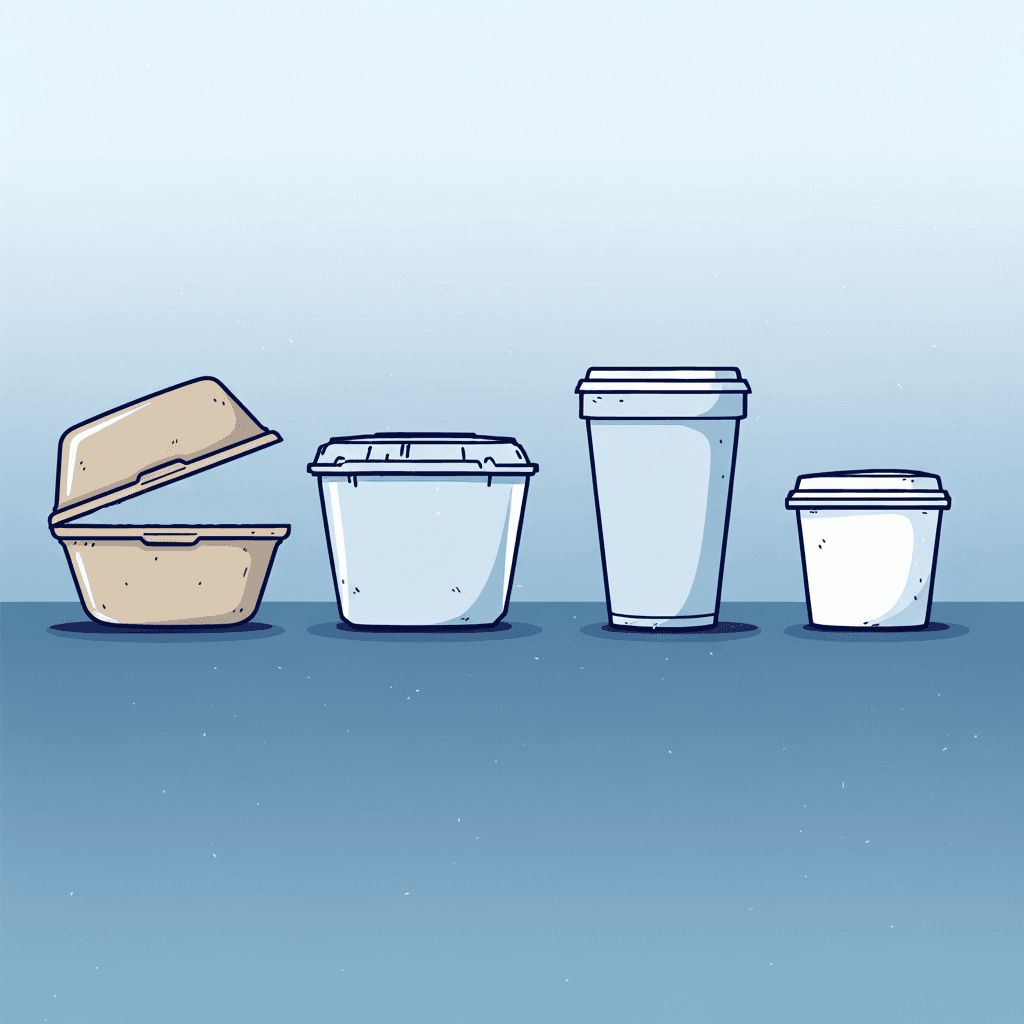
A Credit Card of Plastic Every Week
Research shows the average person ingests about 5 grams of microplastics weekly—equivalent to a credit card. These particles accumulate in our organs, blood, and even cross the blood-brain barrier.
- Microplastics found in 80% of human blood samples
- Detected in brain tissue, lungs, liver, and placenta
- Carry harmful chemicals like BPA and phthalates

Explore the Research
Browse 33 peer-reviewed studies organized by health topic. Each fact links to the original research so you can verify the science yourself.
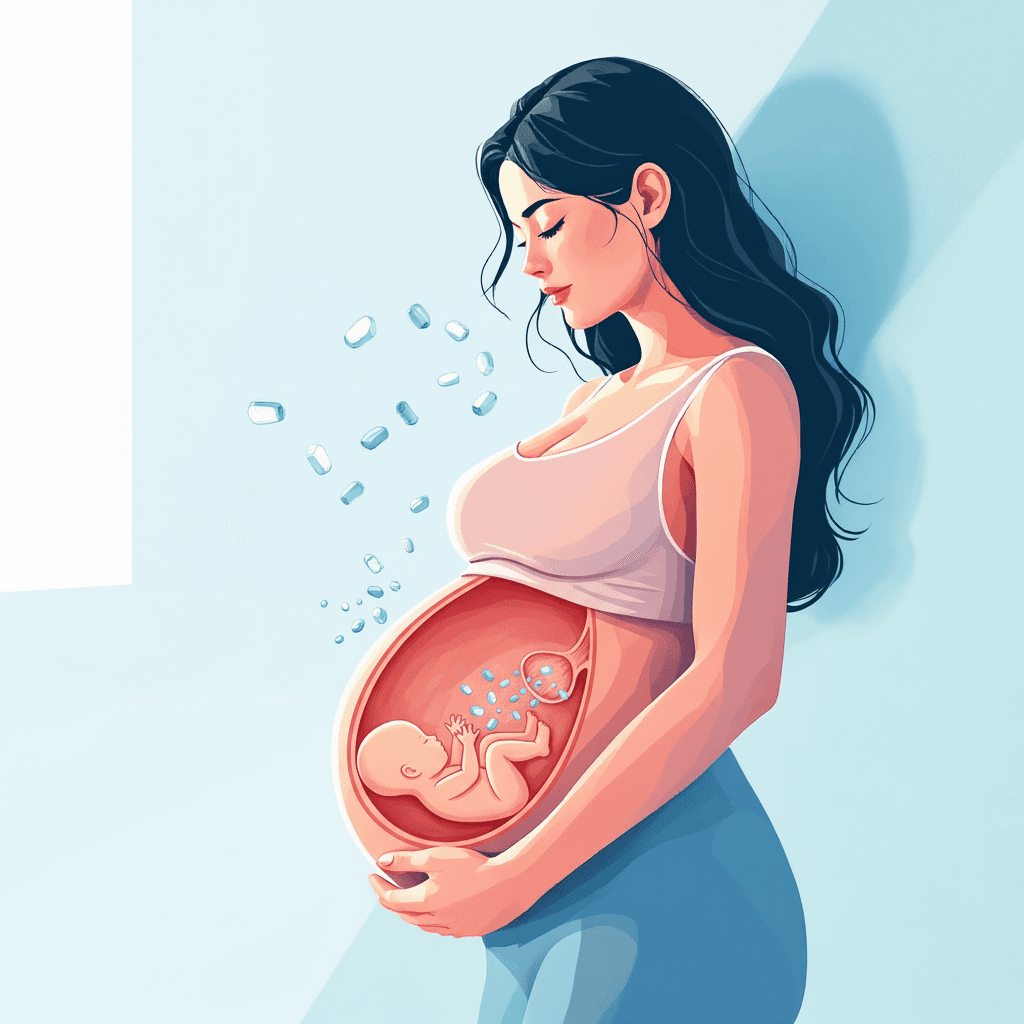
“Microplastics cross the placenta and reach developing babies”
Key Findings
- ~56,600 preterm births in 2018 linked to phthalate exposure (10% of all US preterm births)
- Mothers with highest phthalate exposure have 50% higher risk of preterm delivery
- Medical costs estimated at $1.6–$8.1 billion over children's lifetimes
- Phthalates measured at 3 points during pregnancy showed dose-response relationship
Methodology
5,000+ mothers studied with 20 phthalate metabolites measured at 3 points during pregnancy. Largest study of its kind with racially/ethnically diverse population.
Source
Additional Coverage
Key Findings
- 205,000+ low birth weight cases per year globally attributed to microplastic exposure
- Third trimester exposure is most harmful to fetal development
- Doubling of exposure increases low birth weight hazard by 0.37 per 1,000 births
- Microplastics become airborne from seawater evaporation and are inhaled
Methodology
3 million births analyzed across 15 countries on 4 continents. Remote-sensing measurements of marine microplastic concentrations merged with birth outcome data.
Source
Key Findings
- Microplastics found on both sides of placenta
- Particles detected in amniotic fluid
- Exposure occurs during critical fetal development
- All placentas tested contained microplastics
Source

“Plastic chemicals are linked to increased cancer risk”
Key Findings
- High dibutyl phthalate exposure associated with ~2x increased rate of ER+ breast cancer (HR 1.9)
- Risk particularly pronounced in premenopausal women
- 27,111 breast cancer cases analyzed over 10-year median follow-up
- Phthalates mimic estrogen and disrupt cellular signals
Methodology
Danish nationwide cohort study with 27,111 invasive breast cancer cases. 84% were estrogen receptor-positive. Median follow-up of 10 years.
Source
Key Findings
- 20% higher overall childhood cancer risk from phthalate exposure
- Phthalates are endocrine disruptors found in most plastics
- Children are more vulnerable due to developing organ systems
- Exposure occurs through food, personal care products, and household items
Source
Key Findings
- Microplastics detected in human tumor tissue samples
- Found in multiple types of tumors
- Plastics may serve as carriers for carcinogenic chemicals
- Research ongoing to determine causal relationships
Source
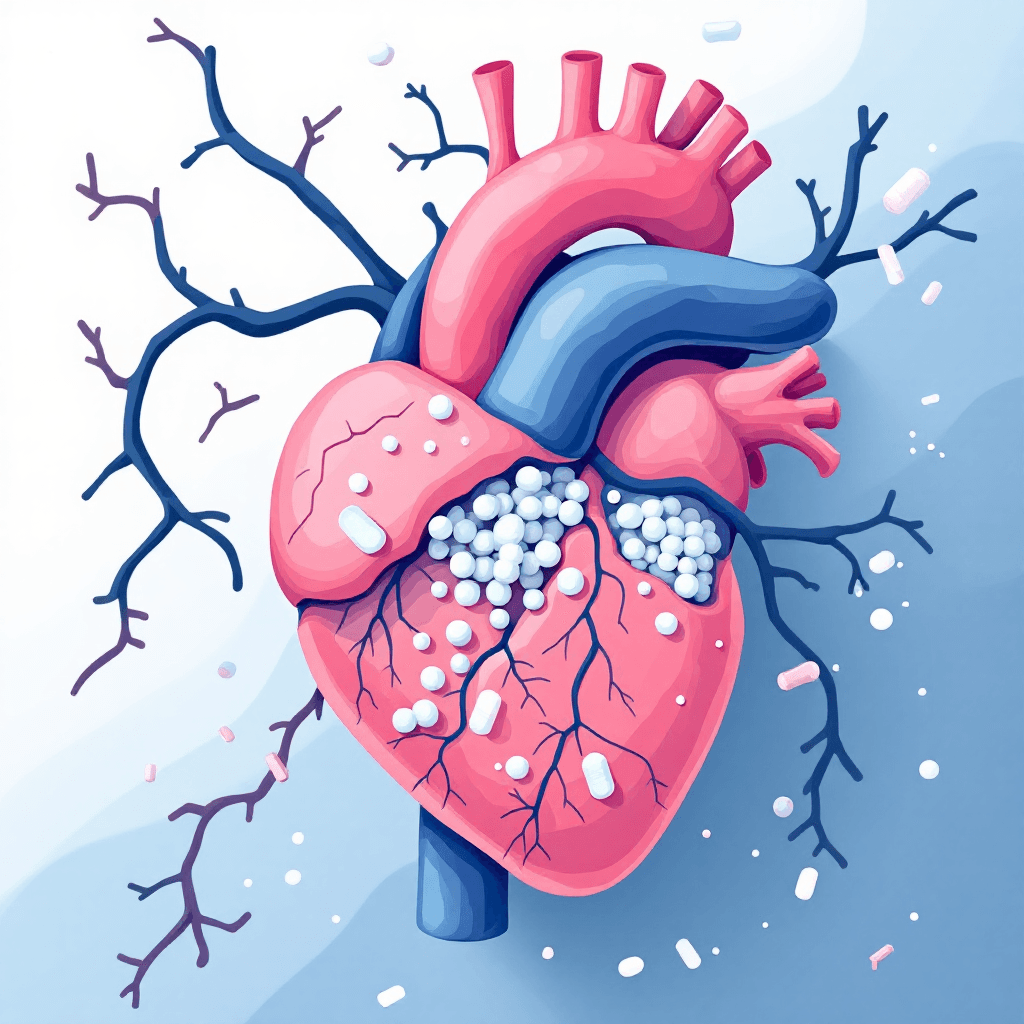
“Microplastics embed in arterial plaque, increasing heart attack risk”
Key Findings
- Microplastics found embedded in 58% of patients' arterial plaque
- Patients with microplastics in plaque are 5x more likely to have heart attack or stroke
- Risk materializes within just 3 years of plaque detection
- Plastics deposit toxins directly into cardiovascular tissue
Methodology
Carotid endarterectomy patients followed prospectively. Plaque samples analyzed for microplastic content and correlated with cardiovascular events.
Source
Key Findings
- 76% increased risk of cardiovascular death with high BPA exposure
- BPA disrupts electrical signaling in the heart, triggering abnormal activity
- Phthalates weaken the heart's ability to contract
- BPA leaches from plastic especially when heated (up to 55x more)
Methodology
Prospective cohort study measuring urinary BPA levels and tracking cardiovascular mortality outcomes.
Source
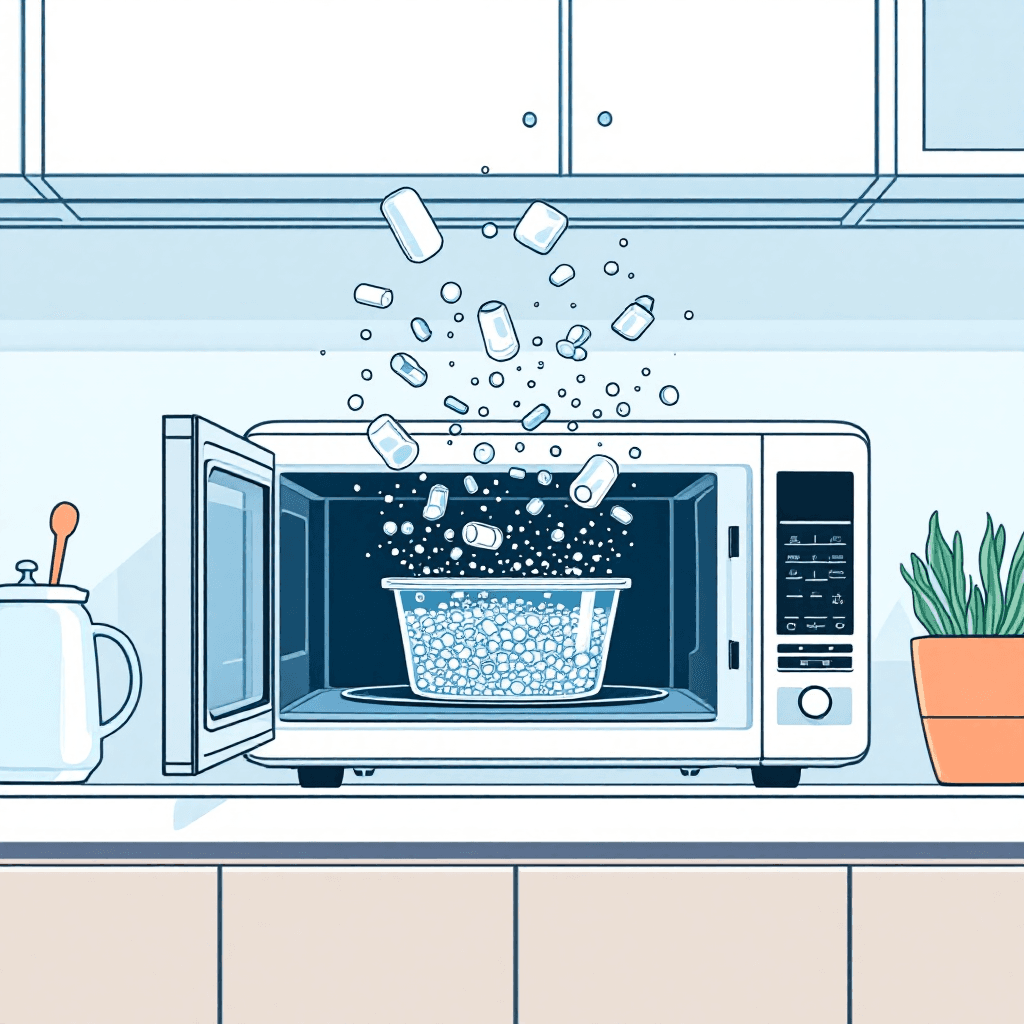
“Heating plastic releases billions of microplastic particles”
Key Findings
- 4.22 million microplastic particles released per cm² during 3 minutes of microwave heating
- 2.11 billion nanoplastic particles released per cm² in the same period
- Polypropylene containers release ~1,000x more nanoplastics than microplastics
- Extracted particles killed 77% of human kidney cells in lab tests
Methodology
Laboratory analysis of polypropylene containers under microwave heating, refrigeration, and room-temperature storage. In vitro toxicity testing on human embryonic kidney cells (HEK293T).
Source
Key Findings
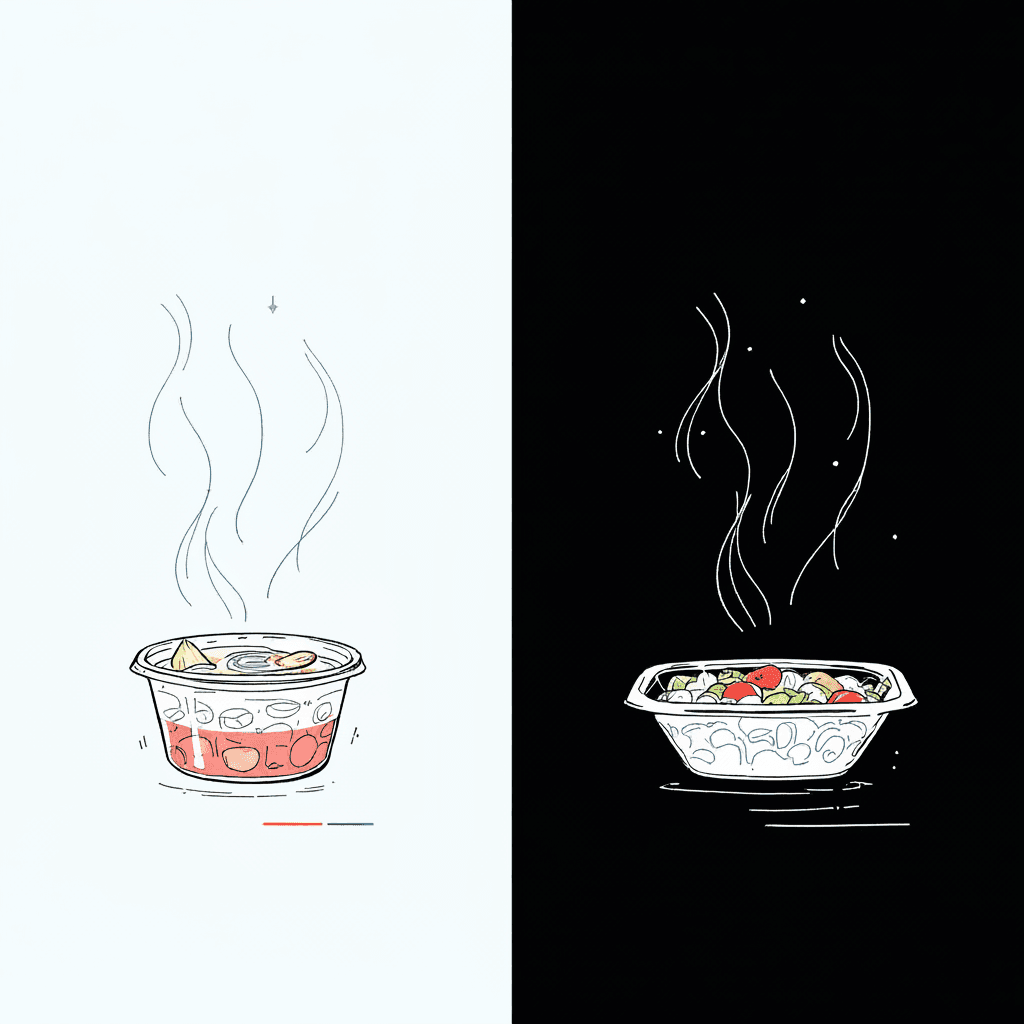
- Chemical leaching increases up to 55x when plastic is heated
- Hot, oily, and acidic foods accelerate chemical migration
- Even "microwave-safe" plastics release chemicals when heated
- Cold food storage in plastic is significantly safer
Source
Key Findings
- Banned flame retardant BDE-209 found at levels up to 1,200x EU limit of 10 ppm
- 85% of tested black plastic items contained flame retardants
- Total flame retardant concentrations ranged up to 22,800 ppm in some products
- Contamination comes from recycled electronic waste mixed into food-contact plastics
Methodology
Testing of black plastic household items including kitchen utensils, food containers, and toys. Bromine screening followed by detailed flame retardant analysis.
Source
Additional Coverage
Key Findings
- ~25,000 micron-sized microplastic particles released per cup in 15 minutes
- ~10 billion sub-micron particles released into 100ml of hot water
- Toxic heavy metals (lead, chromium, cadmium) detected in cup linings
- Fluoride, chloride, sulfate, and nitrate ions also released into drinks
Methodology
Analysis of polyethylene-lined paper cups exposed to hot water (85-90°C) using fluorescence microscopy and scanning electron microscopy.
Source
Key Findings
- PLA bioplastics show in-vitro toxicity similar to conventional plastics
- Endocrine-disrupting activity detected in PLA products
- "Bio-based" does not mean safe or chemical-free
- Marketing claims about safety are often misleading
Source
Key Findings
- Hot liquids dramatically increase PLA microplastic release
- Coffee and tea temperatures accelerate breakdown
- Microplastics directly ingested with each drink
- Daily coffee drinkers face significant cumulative exposure
Source
Key Findings
- Lactic-acid oligomers migrate from PLA into food
- Non-intentionally added substances (NIAS) also transfer
- Fatty, acidic, and hot foods increase migration
- Sauces, soups, and oily foods are highest risk
Source
Key Findings
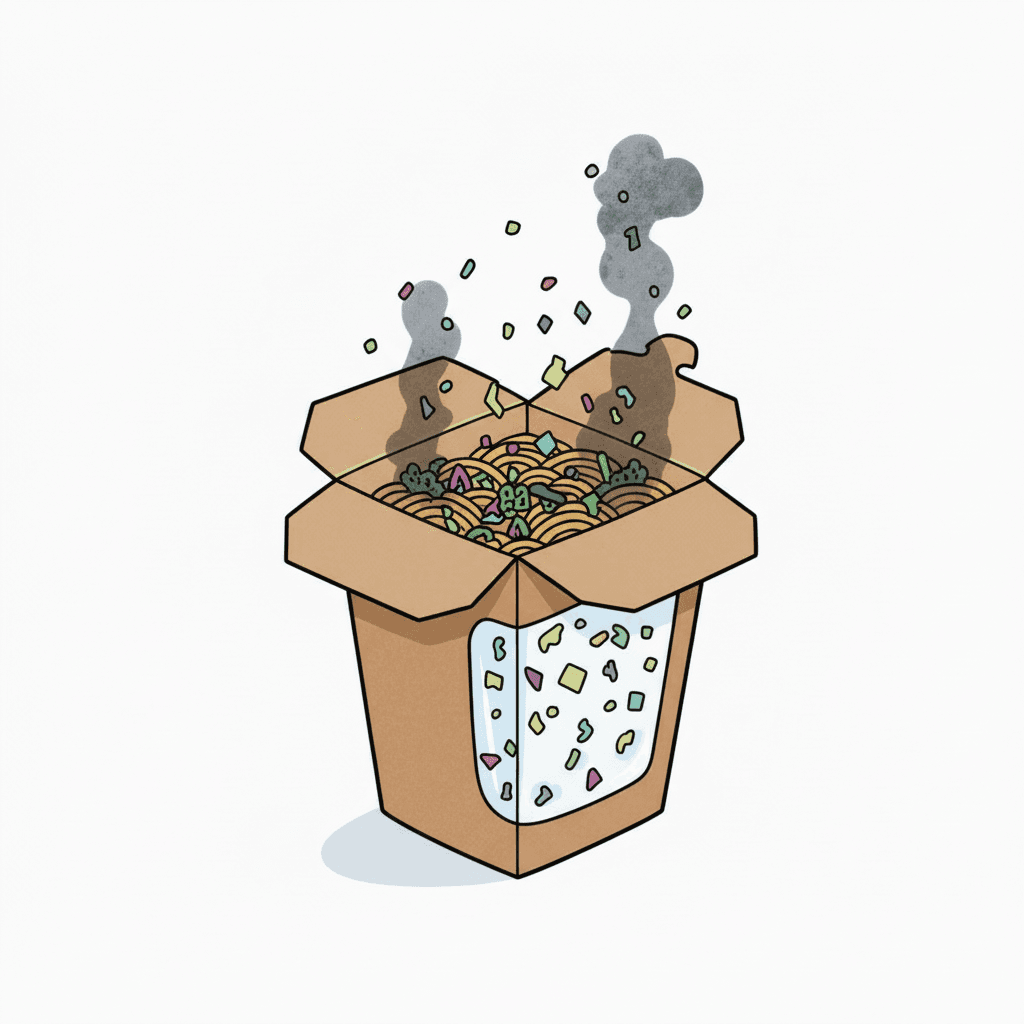
- Nearly all paper takeout containers have a polyethylene (plastic) or PFAS "forever chemical" coating inside to prevent leaks
- Heat, fat, and acidity accelerate chemical leaching from the lining into your food
- How to spot them: if the inside feels smooth, shiny, or waxy, it contains plastic, even if the outside looks like natural brown paper
- The plastic lining cannot be separated from the paper, making these containers non-recyclable in most communities
- Only 11% of US communities have facilities that can actually recycle poly-lined paper cups and containers
- In NYC, DSNY explicitly lists "plastic- or wax-coated paper (take-out containers)" as non-recyclable
Methodology
NextGen Consortium national infrastructure analysis combined with NYC Department of Sanitation recycling guidelines and peer-reviewed studies on chemical migration from food packaging.
Source
Key Findings
- Tomato sauce cooked in aluminum contains 3-6 mg aluminum per 100g serving
- Acidic foods (pH < 4) accelerate aluminum leaching
- Adding sugar during cooking reduces aluminum migration
- Still well below EFSA tolerable weekly intake for most consumers
Methodology
Analysis of aluminum content in tomato sauce before and after cooking and storage in aluminum containers.
Source
Key Findings
- No microplastic shedding from aluminum containers
- Stable at high temperatures
- No endocrine-disrupting chemicals
- Safe for reheating in conventional ovens
Source
Key Findings
- 75% of all aluminum ever produced is still in use today
- Recycling aluminum uses only 5% of the energy needed for new production
- Aluminum can recycled content is 71% vs 3-10% for plastic containers
- Aluminum can value: $1,338/ton vs $215/ton for PET plastic
Methodology
Industry-wide Key Performance Indicator survey conducted in 2024 covering production year 2022.
Source
Key Findings
- No chemical leaching detected from pure fiber containers
- Safe at all temperatures
- No microplastic concerns
- Naturally biodegradable without toxic residue
Source
Key Findings
- Complete biodegradation in 60-90 days
- Returns nutrients to soil ecosystem
- No microplastic residue left behind
- Certified compostable products meet ASTM D6400/D6868 standards
Source
Key Findings
- Zero microplastic shedding detected from pure fiber
- Safe with hot, acidic, and oily foods
- No nanoplastic particles released
- The safest choice for takeout containers
Key Findings
- Only 9% of plastic has ever been recycled globally
- 12% has been incinerated
- 79% has accumulated in landfills or environment
- Recycling is not a solution to plastic pollution
Source

Container Safety Comparison
Not all containers are created equal. Here's how different materials compare for food safety.
- No chemical leaching
- No microplastics
- Safe when heated
- Fully compostable
- No microplastics
- Heat stable
- Infinitely recyclable
- Avoid with acidic foods
- Plastic lining sheds MPs
- PLA not safer
- Hot drinks accelerate release
- Check for unlined options
- Trillions of particles/serving
- BPA & phthalates leach
- Heat increases risk 55x
- Linked to serious diseases